



Selling your laptop takes more than just listing it online. Before handing it over to its next owner, make sure you've backed up your important files, removed your personal data, checked for any hardware or software issues, cleaned the laptop, and completed a few other tasks. A little preparation helps protect your information and makes the handover hassle-free.
Back Up Important Files Before You Begin

Your laptop probably contains important files, and since you'll be factory resetting it before selling it, all of your data will be erased. Although some data can sometimes be recovered after a reset, you shouldn't rely on that. It's best to back up everything you want to keep before you begin.
Go through your important folders and copy your files to an external hard drive, USB flash drive, or cloud storage service. You don't necessarily need to back up every file, but make sure you don't miss anything you'll need later. I personally use a service like Backblaze to back up everything automatically, which makes the process much easier.
Whichever backup method you choose, verify that the backup is complete and that you can access your files before proceeding with the factory reset.
Sign Out of Licensed Apps and Services

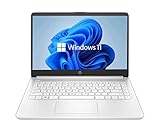
Best Deals: HP 14 HD Laptop
Prices last scanned 7 hours and 27 minutes ago


Before selling your laptop, sign out of any apps and online services that are linked to your accounts. Some paid software, such as Microsoft 365 and Adobe Creative Cloud, limits the number of devices you can activate at the same time, so removing your old laptop frees up an activation for your new one.
You should also sign out of your Microsoft account in Windows before selling the laptop. Once you've done that, remove the device from your Microsoft account online so it no longer appears in your list of registered devices or services. This ensures the laptop is no longer linked to your account and is ready for its new owner.
Clean the Laptop Thoroughly
The overall condition of your laptop directly impacts its resale value. A clean, well-maintained device is more attractive to buyers and shows it has been well cared for. Before selling it, wipe the exterior, keyboard, touchpad, and display with a soft microfiber cloth. If you need a cleaning solution, use one that's safe for screens and apply it to the cloth instead of spraying it directly.
Our Latest TweakTown Guides
- 6 PC cleaning mistakes to avoid for safer hardware maintenance
- How to Remap Keyboard Keys in Windows using Microsoft PowerToys
- 7 tips to organize your Windows files for faster, easier access
- How to fix Wi-Fi Adapter Not Working on Windows laptops: troubleshooting tips
- 6 underrated Microsoft Word features worth using to boost your productivity
Also, clean the vents, as they tend to collect the most dust. A can of compressed air or a soft brush works well for removing buildup and can even help improve airflow. If you've added stickers, remove them along with any adhesive residue. Finally, clean the charger and cable too. A good first impression can increase your laptop's resale value.

Frequently Asked Questions
TweakBot answers common questions about this guide using TweakTown's own coverage from this page and related content from our archive. Tap a question to reveal the answer, or type your own below.
How do I remove my Microsoft account and unregister the laptop from my Microsoft devices list before selling?
What steps should I take if BitLocker recovery is requested during the reset and I don't have the key readily available?
Which reset option in Windows is safest for preventing data recovery, and how much longer does the full clean take?
Are there specific files or folders I might forget to back up that could cause problems after selling (e.g., browser profiles, app licenses)?
Have a question not listed here? Ask below and TweakBot will answer it.


Check for Hardware or Software Issues
Besides making your laptop look clean, make sure everything works properly. Test the keyboard, touchpad, display, speakers, webcam, microphone, Wi-Fi, ports, and any other important hardware. If you find any issues, try to fix them before listing the laptop for sale. Even a minor problem can leave a bad impression on buyers and may cause them to walk away.
You should also check for software problems. If Windows shows any errors during startup or while using the laptop, resolve them before selling it. In addition, fully charge the battery before meeting a buyer so they have enough power to test the laptop. This also prevents them from mistakenly thinking the battery is faulty or drains unusually fast.
If your laptop has any known issues that you can't fix, be honest about them in your listing. Being upfront helps buyers know what to expect, builds trust, and reduces the chances of disputes.
Handle BitLocker and Device Encryption Properly

If your laptop uses BitLocker or Device Encryption, you may be asked for the recovery key before you can access the drive or complete certain steps during the reset process. To avoid getting locked out, make sure you have a copy of the recovery key stored somewhere safe outside the laptop, such as in your Microsoft account, on a USB drive, or in a printed copy.
After you've backed up your files and you're certain you no longer need access to the encrypted drive, consider turning off encryption before selling the laptop. This allows the new owner to set up BitLocker or Device Encryption using their own Microsoft account after the reset. Taking this extra step will prevent activation or recovery issues for the next owner.
Factory Reset the Laptop
Once you've backed up your files and signed out of your accounts, it's time to factory reset the laptop. This removes your personal data, installed apps, and settings, giving the new owner a fresh Windows installation. To do this, open the Settings app, go to System > Recovery, click "Reset This PC," and choose "Remove Everything."

Follow the on-screen instructions to complete the reset. During the process, you may be asked whether you want to just remove your files or fully clean the drive. Choose the option to fully clean the drive. Although it takes longer, it makes recovering your deleted data much more difficult, providing better protection for your personal information.
Once the reset is complete, don't sign back into Windows or make any further changes - leave the laptop at the setup screen so the new owner can complete the initial setup themselves.
Now you know why it's worth taking a little time to prepare your laptop before selling it. By following the steps above, you can protect your personal data, make sure the device is in good condition, and help the new owner get off to a smooth start. A well-prepared laptop is easier to sell, may fetch a better price, and reduces the chances of problems or disputes after the sale.


 6 PC cleaning mistakes to avoid for safer hardware maintenance
 How to Remap Keyboard Keys in Windows using Microsoft PowerToys
 7 tips to organize your Windows files for faster, easier access
 How to fix Wi-Fi Adapter Not Working on Windows laptops: troubleshooting tips
 6 underrated Microsoft Word features worth using to boost your productivity
 Assassin's Creed Black Flag Resynced sells over 5 times more copies than AC Shadows on Steam
 Obsidian to make a new Fallout game led by New Vegas director
 Even DDR4 RAM is not safe from the RAMpocalypse, prices rose over 50% in Q3 2026
 PlayStation Disc Phaseout Saga: What You Need to Know
 Samsung's first PCIe 6.0 SSD is now in mass production with ridiculous speeds
 Xbox's Elder Scrolls 6 strategy looks shakier after Bethesda layoffs
 The dreaded Steam Machine 'Red Line of Death' was fixed after a simple CMOS reset
 Samsung confirms next-gen Snapdragon power for its new foldable phones
 Apple's foldable iPhone may finally be ready for prime time in 2026
 Earth could escape being swallowed by the dying Sun, scientists say
 MOZA MGX1000 Instrument Panel Review: a realistic Garmin G1000 replica for immersive flight sims
 Simagic Zeus Formula Steering Wheel Review: premium build and advanced inputs for F1 racing
 GIGABYTE X870E Aero X3D Dark Wood Review - A woody goody
 The Super Mario Galaxy Movie (2026) 4K Ultra HD Blu-ray Review
 KTC H49S66 5K2K (5120x1440) 49-inch 180Hz Gaming Monitor Review
 HighPoint Rocket 1604L Gen5 x16 NVMe Software RAID AIC Review: half the price with full 59 GB/s speed
 Next Level Racing ERS3 Haptic Seat Review: immersive sim racing comfort with integrated haptics
 ASUS TUF Gaming X870-Pro WiFi7 W NEO Review - Tuffed up
 GIGABYTE GO27Q24G Gaming Monitor Review: Glossy OLED Gaming at 240Hz
 Lian Li B4-mATX Review: a compact mATX SFF case with excellent airflow and premium features
 Phison and Intel Take Aim at Local AI's Memory Wall with aiDAPTIV
 Intel Arc G3 Extreme first impressions with MSI's Claw 8 EX AI+ - Incredible power for an extreme price
 Hisense U7SG 4K TV: Modern Entertainment for the New Age
 Level Up Your PC Gaming with these Fantastic ASUS Prime Day Deals on GPUs, Motherboards, and More
 GIGABYTE Wants to Kickstart Your New Gaming PC or Upgrade with These Limited-Time Deals